A medical form in the United Kingdom
GP registration and hospital admission forms ask for weight in stones and pounds. Eighty kilograms is 12 st 8.4 lb. Ready values are in the notation table above.
One stone is 6.35 kilograms, or 14 pounds. Type a weight in kilograms and the result appears straight away. Below you will find a table in the 11 st 4 lb notation, because that is the form a British answer takes.
One stone is 6.35029318 kilograms, which is exactly 14 pounds.[1] To move from kilograms to stones you divide by 6.35: stones = kilograms ÷ 6.35029318.
The unit turns up wherever British and Irish habits do: in a television programme, on a weight-loss forum, in a training app from the UK, or on a form at the GP surgery.
Seventy kilograms comes to 11.02 stone. A British speaker gives the same weight as “eleven stone”, because there the result is rounded to whole stones and pounds. How that notation works is explained in the next section.
Body weight in Britain is given in two units at once: whole stones and the pounds left over. The notation 11 st 4 lb means eleven stones and four pounds, which is 71.67 kilograms.
You turn the decimal result from the converter into that notation in two steps. The figure before the point is the whole stones. Multiply what comes after the point by 14 and you get the pounds. For 11.02 stone that gives 11 stones and 0.3 of a pound, so in conversation you hear “eleven stone”.
Speech shortens it further: “eleven four” means 11 st 4 lb. The highest the pounds ever go is thirteen, because fourteen makes another stone.
The notation table below gives ready values across the whole body-weight range. The opposite direction, from the notation to kilograms, is handled by the stone to kilograms converter.
The stone is in everyday use in the United Kingdom and Ireland, and almost exclusively for body weight.[1] Goods there are weighed in kilograms and labels give grams, so the unit kept one specific area and holds on to it firmly. British bathroom scales still have a stone mode alongside kilograms.
The legal standing of the stone is split in two. The Weights and Measures Act of 1985, implementing the European directive, removed the stone from the list of units permitted in trade, so goods there are sold in kilograms.[1] Human body weight sat outside that rule, and there the stone survived in full.
The United States works differently. Americans give body weight in pounds alone: where a British speaker says “11 stone 4”, an American says “158 pounds”. Both figures describe the same weight in the imperial system, in two different units.
Australia, Canada and New Zealand moved to kilograms at metrication, so you will rarely hear the stone there. The unit held on in two countries, and in both it went deep into the language.
This works as a simple test of where a figure came from: a notation with two units points to Britain or Ireland, a lone pound figure to the United States. American values convert in the pounds to kilograms converter.
The name says outright what the unit began as: a stone. In medieval trade the counterweight was often a real stone of agreed mass, kept at the town weighing house, and goods were compared against it.
Every trade picked a stone of its own. Glass was weighed in stones of 5 pounds, wax, sugar and pepper in stones of 8, lead in stones of 12. A survey from 1880 listed stones running from 4 all the way to 26 pounds across British towns.[1] A merchant therefore had to know the goods as well as the number.
The tidying up began with Edward III in 1350, who set the wool stone at 14 pounds, a figure Henry VII confirmed in 1495. A single measure covering all goods arrived only with the Weights and Measures Act of 1835, and today’s fourteen pounds comes from it.
That is where the number comes from, the one that looks arbitrary from a metric point of view. Fourteen pounds is an inheritance from the wool trade.
The table covers body weights from 40 to 140 kilograms, because body weight is the one use the stone has today. Values are given as decimals, exactly as the converter returns them.
| Weight | Stones (decimal) |
|---|---|
| 40 kg | 6.3 st |
| 42 kg | 6.61 st |
| 44 kg | 6.93 st |
| 45 kg | 7.09 st |
| 46 kg | 7.24 st |
| 48 kg | 7.56 st |
| 50 kg | 7.87 st |
| 52 kg | 8.19 st |
| 54 kg | 8.5 st |
| 55 kg | 8.66 st |
| 56 kg | 8.82 st |
| 58 kg | 9.13 st |
| 60 kg | 9.45 st |
| 62 kg | 9.76 st |
| 63 kg | 9.92 st |
| 64 kg | 10.08 st |
| Weight | Stones (decimal) |
|---|---|
| 65 kg | 10.24 st |
| 66 kg | 10.39 st |
| 68 kg | 10.71 st |
| 70 kg | 11.02 st |
| 72 kg | 11.34 st |
| 74 kg | 11.65 st |
| 75 kg | 11.81 st |
| 76 kg | 11.97 st |
| 78 kg | 12.28 st |
| 80 kg | 12.6 st |
| 82 kg | 12.91 st |
| 84 kg | 13.23 st |
| 85 kg | 13.39 st |
| 86 kg | 13.54 st |
| 88 kg | 13.86 st |
| 90 kg | 14.17 st |
| Weight | Stones (decimal) |
|---|---|
| 92 kg | 14.49 st |
| 94 kg | 14.8 st |
| 95 kg | 14.96 st |
| 96 kg | 15.12 st |
| 98 kg | 15.43 st |
| 100 kg | 15.75 st |
| 102 kg | 16.06 st |
| 105 kg | 16.53 st |
| 108 kg | 17.01 st |
| 110 kg | 17.32 st |
| 115 kg | 18.11 st |
| 120 kg | 18.9 st |
| 125 kg | 19.68 st |
| 130 kg | 20.47 st |
| 140 kg | 22.05 st |
Have a value in stones? Go to the stone to kilograms converter, where you will also find a table of the full notation with pounds.
The notation a British speaker will actually use: whole stones plus the pounds left over. The highest remainder is thirteen pounds, because fourteen makes another stone.
| Weight | British notation |
|---|---|
| 40 kg | 6 st 4.2 lb |
| 42 kg | 6 st 8.6 lb |
| 44 kg | 6 st 13 lb |
| 45 kg | 7 st 1.2 lb |
| 46 kg | 7 st 3.4 lb |
| 48 kg | 7 st 7.8 lb |
| 50 kg | 7 st 12.2 lb |
| 52 kg | 8 st 2.6 lb |
| 54 kg | 8 st 7 lb |
| 55 kg | 8 st 9.3 lb |
| 56 kg | 8 st 11.5 lb |
| 58 kg | 9 st 1.9 lb |
| 60 kg | 9 st 6.3 lb |
| 62 kg | 9 st 10.7 lb |
| 63 kg | 9 st 12.9 lb |
| 64 kg | 10 st 1.1 lb |
| Weight | British notation |
|---|---|
| 65 kg | 10 st 3.3 lb |
| 66 kg | 10 st 5.5 lb |
| 68 kg | 10 st 9.9 lb |
| 70 kg | 11 st 0.3 lb |
| 72 kg | 11 st 4.7 lb |
| 74 kg | 11 st 9.1 lb |
| 75 kg | 11 st 11.3 lb |
| 76 kg | 11 st 13.6 lb |
| 78 kg | 12 st 4 lb |
| 80 kg | 12 st 8.4 lb |
| 82 kg | 12 st 12.8 lb |
| 84 kg | 13 st 3.2 lb |
| 85 kg | 13 st 5.4 lb |
| 86 kg | 13 st 7.6 lb |
| 88 kg | 13 st 12 lb |
| 90 kg | 14 st 2.4 lb |
| Weight | British notation |
|---|---|
| 92 kg | 14 st 6.8 lb |
| 94 kg | 14 st 11.2 lb |
| 95 kg | 14 st 13.4 lb |
| 96 kg | 15 st 1.6 lb |
| 98 kg | 15 st 6.1 lb |
| 100 kg | 15 st 10.5 lb |
| 102 kg | 16 st 0.9 lb |
| 105 kg | 16 st 7.5 lb |
| 108 kg | 17 st 0.1 lb |
| 110 kg | 17 st 4.5 lb |
| 115 kg | 18 st 1.5 lb |
| 120 kg | 18 st 12.6 lb |
| 125 kg | 19 st 9.6 lb |
| 130 kg | 20 st 6.6 lb |
| 140 kg | 22 st 0.6 lb |
The notation reads like this: 11 st 4 lb means eleven stones and four pounds. In speech it shortens to “eleven four”.
Four situations in which a metric weight has to be given the British way.
Every figure in the tables was computed from the unit definitions and checked arithmetically before publication. Historical values and the names of local units come from the sources listed above.
Content last reviewed: · written and checked by the Arteon team
One stone is 6.35029318 kilograms, 6.35 kg rounded. The value follows from the definition: a stone is 14 pounds, and a pound is 0.45359237 kilograms.
A stone is exactly 14 pounds. That is why the pounds in a weight go no higher than thirteen, because fourteen makes another stone.
70 kilograms is 11.02 stone, written 11 st 0.3 lb in the British notation. In practice a British speaker simply says “eleven stone”.
80 kilograms is 12.60 stone, or 12 st 8.4 lb. 90 kilograms is 14.17 stone, or 14 st 2.4 lb. The full set is in the notation table above.
Eleven stone is 69.85 kilograms. That is where the common question of whether 11 stone is 70 kilograms comes from: practically it is, since the difference comes to 150 grams.
Half a stone is 7 pounds, which is 3.18 kilograms. British slimming clubs set weekly and monthly targets in this unit, which is why the value keeps coming back on forums and in apps from the UK.
The figure before the point is the whole stones, and you multiply what comes after the point by 14 to get the pounds. For 12.60 stone that gives 12 stones and 8.4 pounds, written 12 st 8 lb.
The United Kingdom and Ireland, almost exclusively for body weight. Australia, Canada and New Zealand moved to kilograms at metrication, and the United States uses pounds alone.
The United States gives body weight in pounds alone, so an American says “158 pounds” where a British speaker says “11 stone 4”. The stone remained a British and Irish unit.
It is an inheritance from the wool trade. Edward III set the wool stone at 14 pounds in 1350, Henry VII confirmed it in 1495, and formal order arrived with the Weights and Measures Act of 1835.
Before standardisation the stone took its value from the goods: 5 pounds for glass, 8 for wax, sugar and pepper, 12 for lead. A survey from 1880 listed stones from 4 to 26 pounds across British towns.
The formula is: stones = kilograms ÷ 6.35029318. The other way round: kilograms = stones × 6.35029318.
Divide the kilograms by six and take off about five percent of the result. For 70 kilograms that gives 11.7 minus 0.6, so 11.1 stone against an exact 11.02. For a conversation that is enough.
British scales usually have three modes: kilograms, stones with pounds, and pounds alone, switched with a button marked kg / st / lb. Scales sold outside Britain and Ireland normally show kilograms.
Trade there runs on the kilogram, because the Weights and Measures Act of 1985 removed the stone from the units permitted for selling goods. Human body weight stayed outside that rule, and for that purpose the stone remains in general use.
If you have spotted an error in the tables or have an idea for improving the converter, drop us a line. We reply to every message.
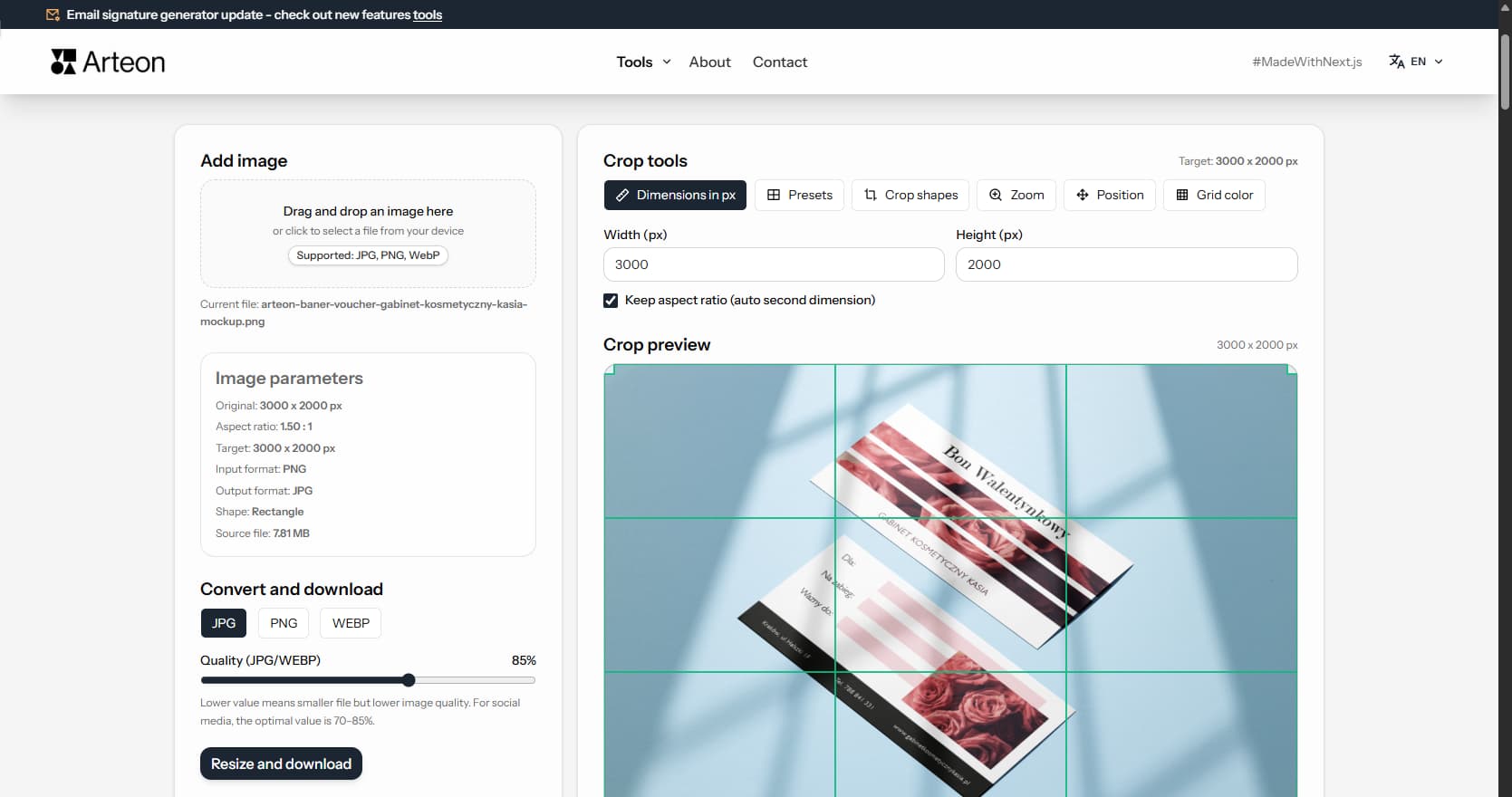
Resize, crop and convert your image. Ready-made formats for social media, circular avatars, export to JPG/PNG/WebP.

Check title and description length in pixels. Live Google preview and optimization tips.
Convert PNG files to JPG in your browser. No file limits, no signup, no server uploads.

Create a complete favicon.ico set for your website from one image. All required sizes, no login.
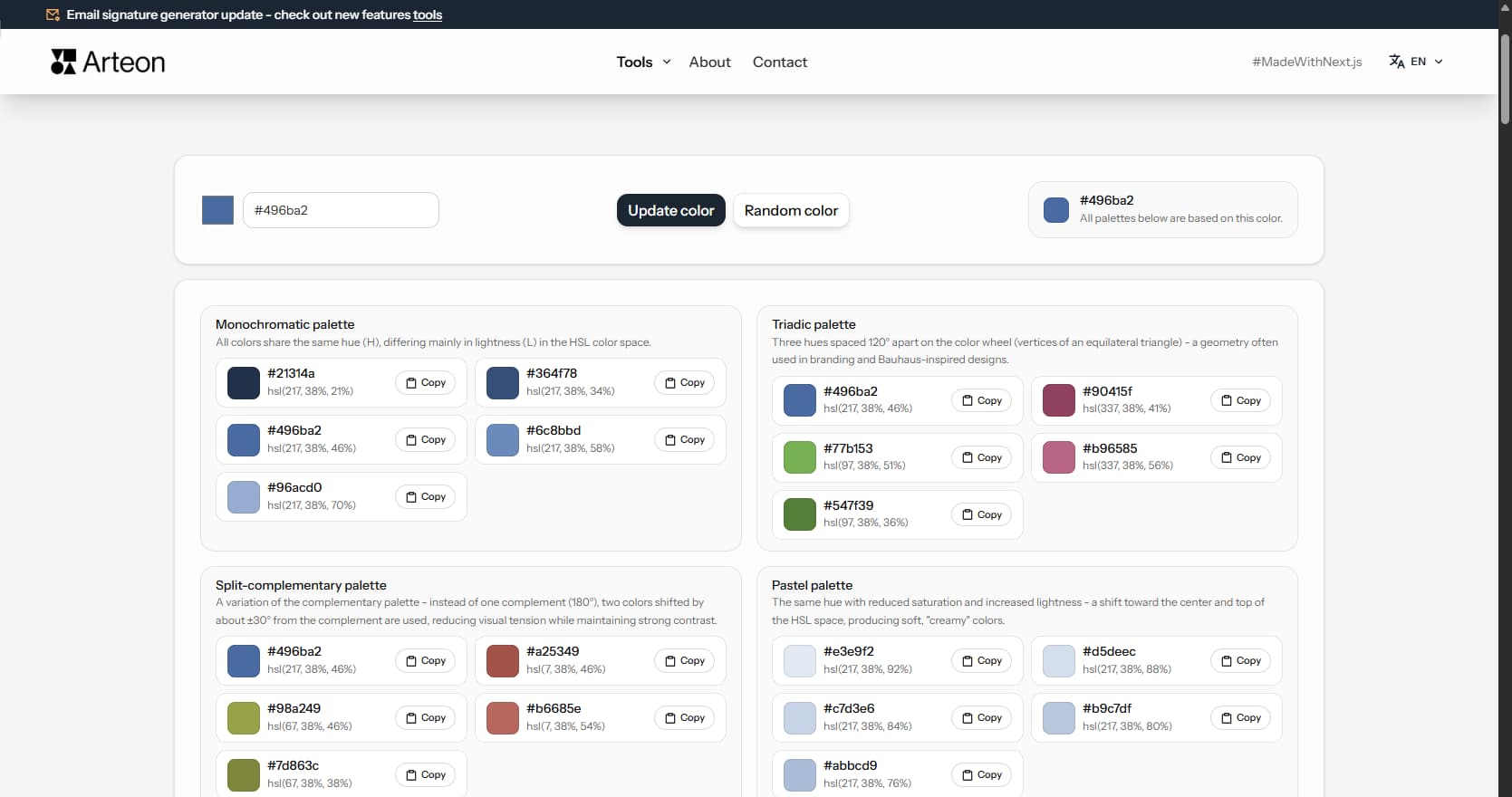
Generate 9 palettes from one color: monochromatic, complementary, triadic and more. HEX codes.
Convert WebP files to universally compatible JPG. Works in every app and platform.
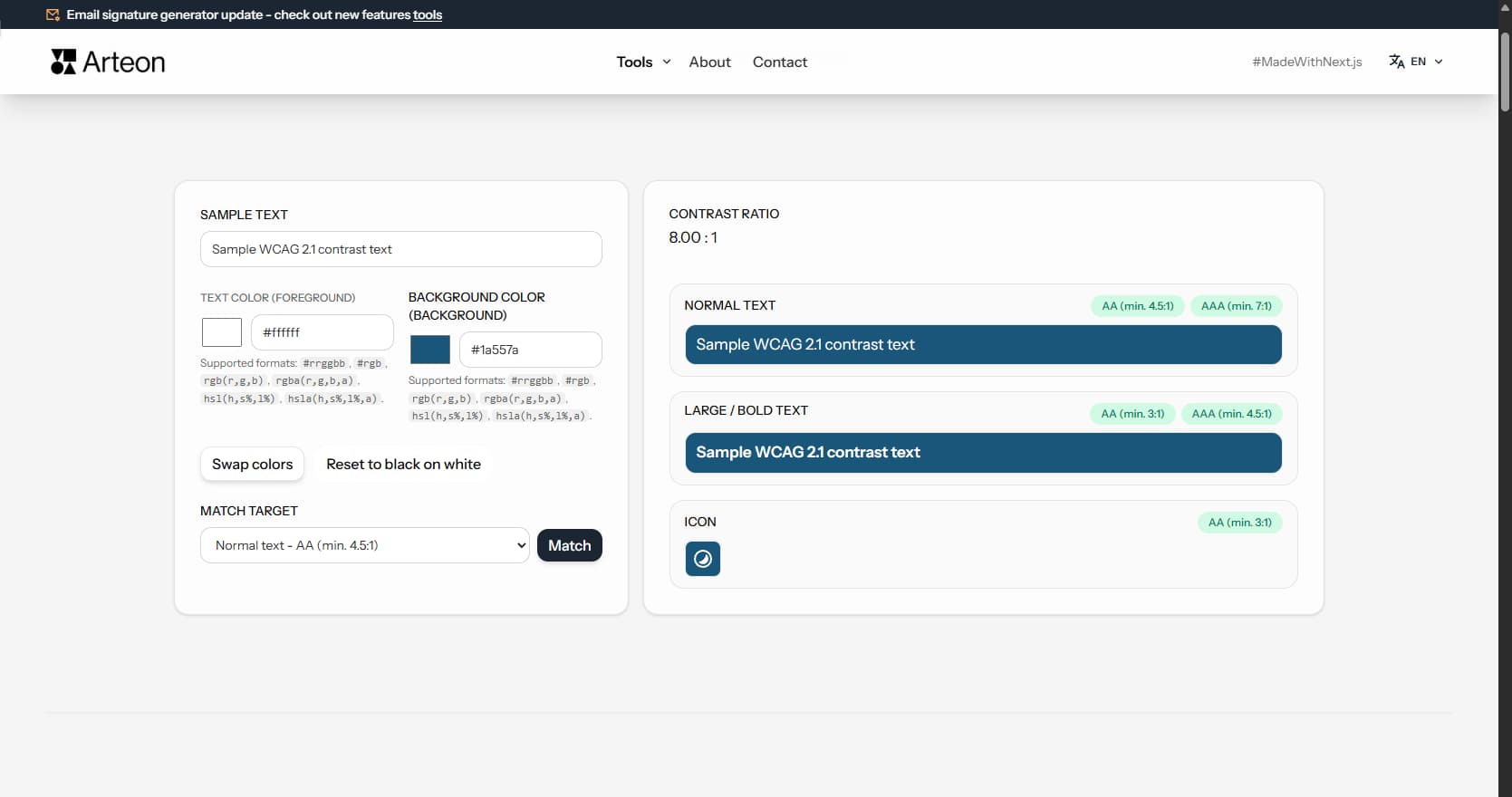
Check text and background contrast per WCAG 2.1 AA and AAA. Automatic color correction.
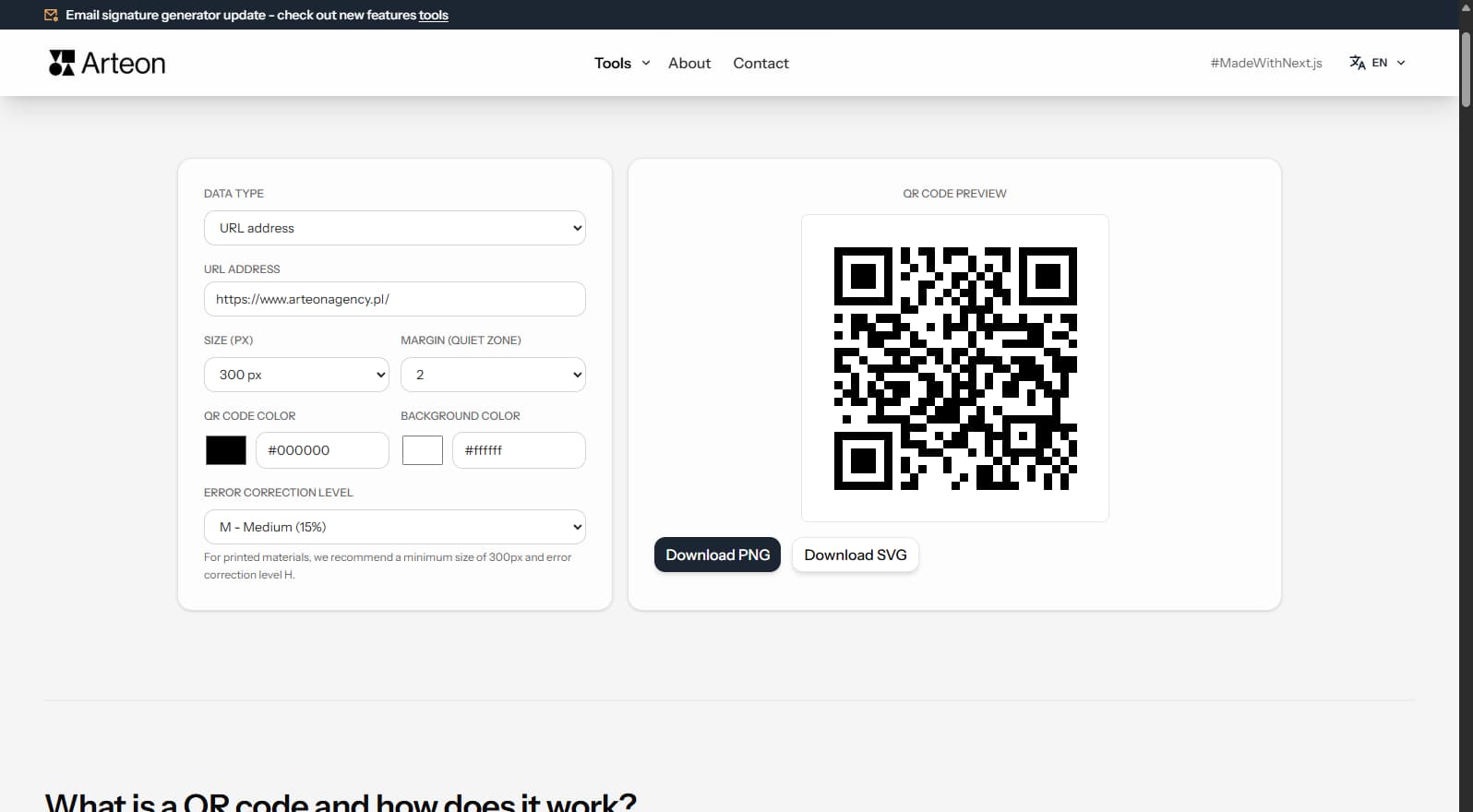
Create a QR code for a website, vCard business card or print. Export PNG and SVG, no registration.
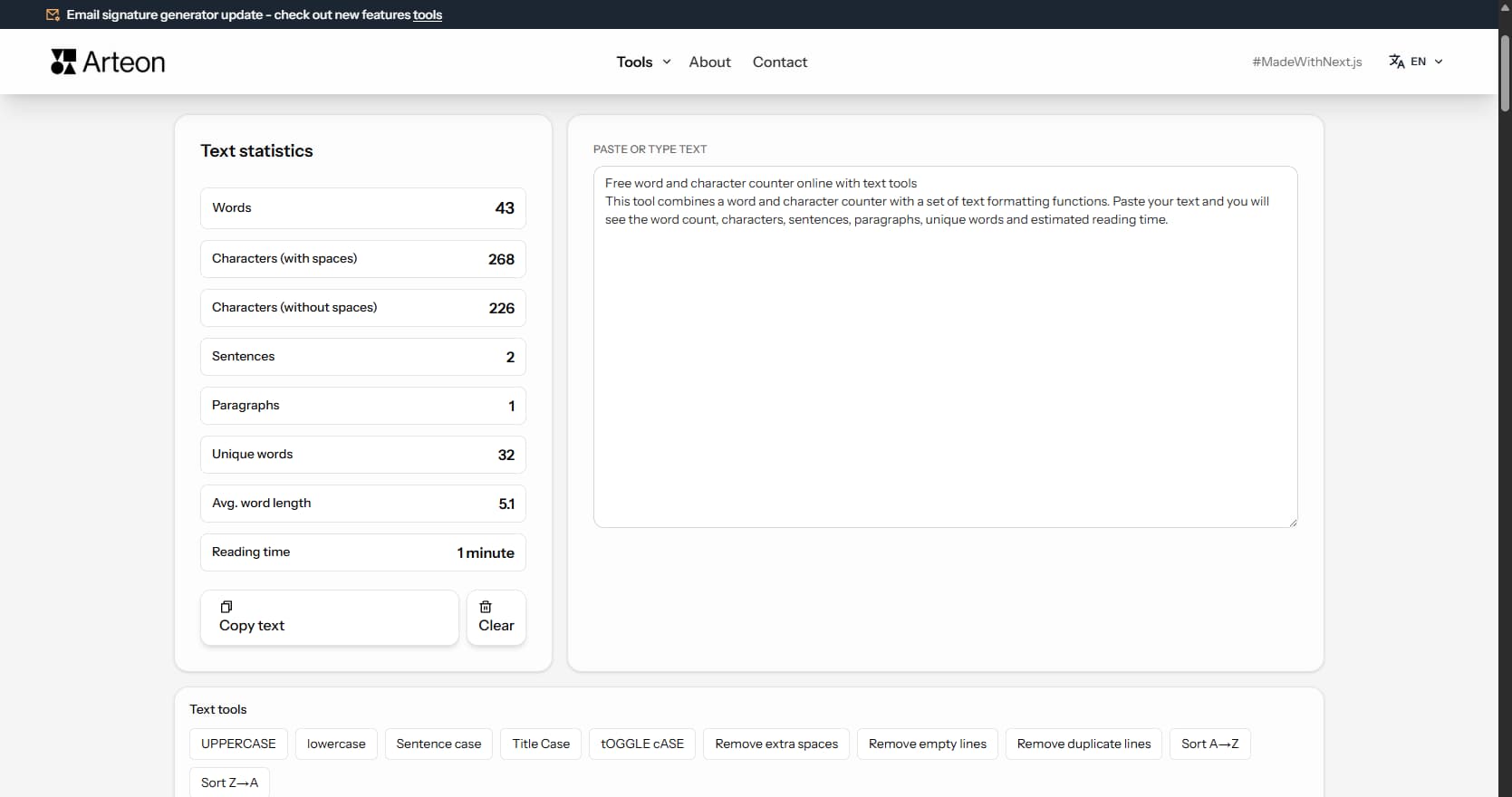
Count words, characters, sentences and reading time. Check readability with the Flesch-Kincaid score.