Paste your data
Paste your JSON object or array. This could be a REST API response you need to forward to a SOAP endpoint, a data payload for Salesforce, or any JSON structure that a legacy system expects in XML.
Enterprise systems, Android manifests, Salesforce data exchange, and RSS feeds all require XML. Paste your JSON and get valid, indented XML output in seconds — no server needed.
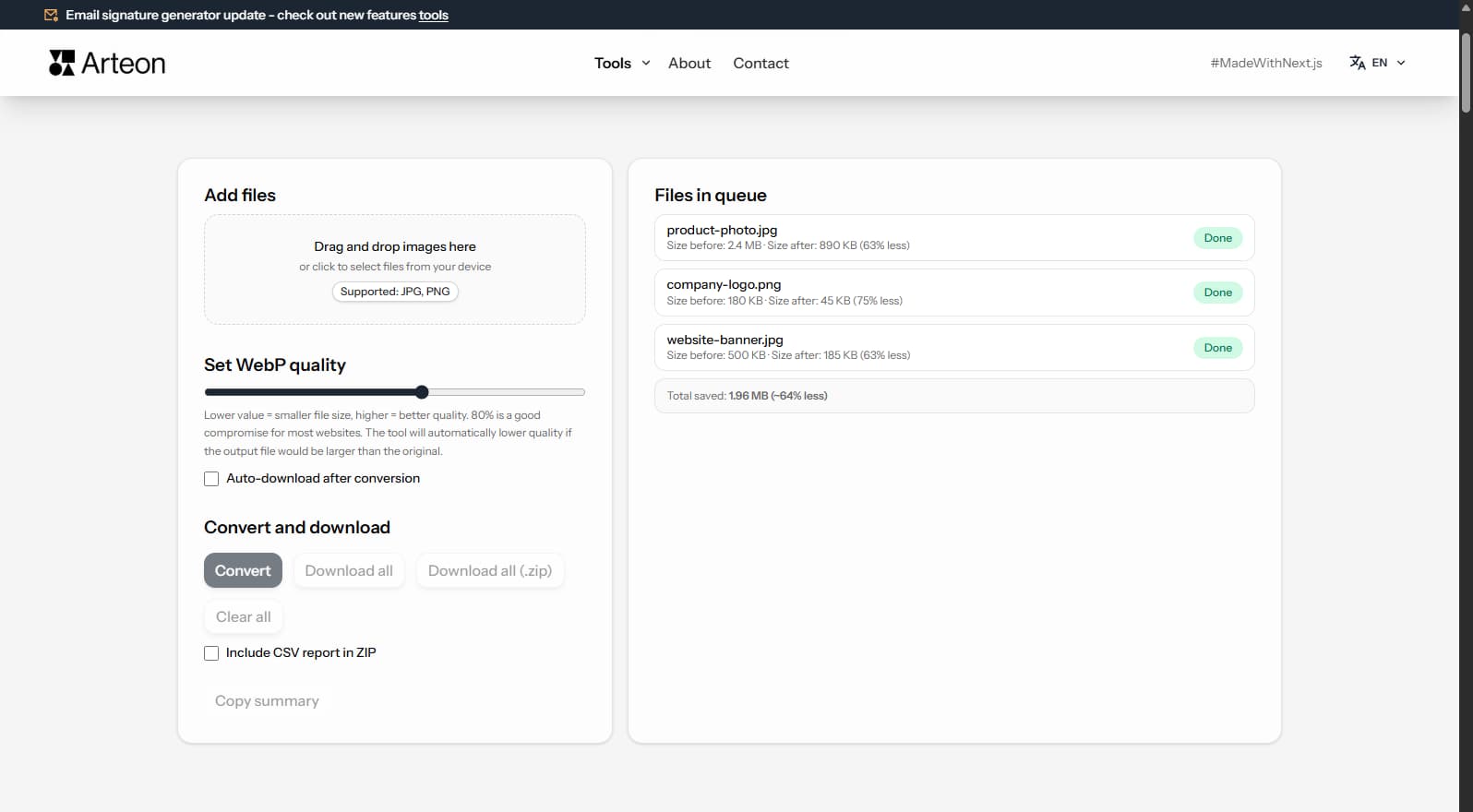
JSON is the standard for REST APIs and modern web apps. However, many enterprise systems, SOAP APIs, B2B data exchange standards (EDI, UBL, e-invoicing), and configuration files require XML. Converting JSON to XML bridges the gap between modern and legacy systems.
XML supports schema validation (XSD), namespaces, XSLT transformations, and digital signatures — features JSON lacks. In the enterprise world, XML remains the standard for SAP, Oracle, banking APIs (ISO 20022), and government systems.
The converter maps JSON objects to XML elements, arrays to repeating elements, and primitive types to text values. It generates well-formed, indented XML with a proper <?xml version="1.0"?> declaration.
All processing happens locally in your browser — nothing is sent to any server. No registration, no limits, no tracking.
| Feature | JSON | XML |
|---|---|---|
| Nested/hierarchical data | ✓ | ✓ |
| Tabular data | — | — |
| Schema validation | ✓ | ✓ |
| Human readable | ✓ | ✓ |
| API standard | ✓ | ✓ |
| Compact syntax | ✓ | — |
JSON and XML are both structured data formats, but they use fundamentally different syntax. JSON uses curly braces and key-value pairs, while XML uses opening and closing tags to define elements. The converter maps each JSON property to an XML element, preserving the hierarchical structure.
JSON objects become XML elements, JSON arrays become repeated elements, and primitive values (strings, numbers, booleans) become text content within their parent tags. The converter generates well-formed XML with proper indentation and an XML declaration header.
XML is widely used in enterprise systems, SOAP web services, configuration files, and data interchange where strict schema validation is required. The conversion runs entirely in your browser — no data is sent to any server.
A few tips to help you avoid common issues during conversion:
The converter maps JSON structures to XML elements following these rules:
{"name": "John"} → <name>John</name>{"items": [1, 2]} → <items>1</items><items>2</items>The output includes a proper XML declaration and uses 2-space indentation for readability. Element names are derived directly from JSON keys.
Yes, this converter is completely free with no limits. No registration, no watermarks.
No. All processing happens locally in your browser. Your files never leave your device.
Yes, the converter supports batch conversion. Add multiple files and convert them all simultaneously.
Yes, the converter works on any device with a modern web browser, including smartphones and tablets.
Yes. The entire conversion runs locally in your browser. Your data is never sent to any server. When you close the page, all data is automatically cleared from memory.
Yes. All data from the JSON input is preserved in the XML output. The structure and values remain intact, though the syntax changes from JSON to XML notation.
The converter produces well-formed XML that passes standard XML validation. If you need schema validation (XSD), you can apply your schema to the output separately.
Yes. Both Salesforce and SAP commonly exchange data in XML format. The converter produces well-formed XML with a proper declaration that you can use as a data import payload, SOAP request body, or file attachment in these enterprise systems.
Have an idea, found a bug, or want to suggest a feature? Drop us a message – we respond within 24 hours.
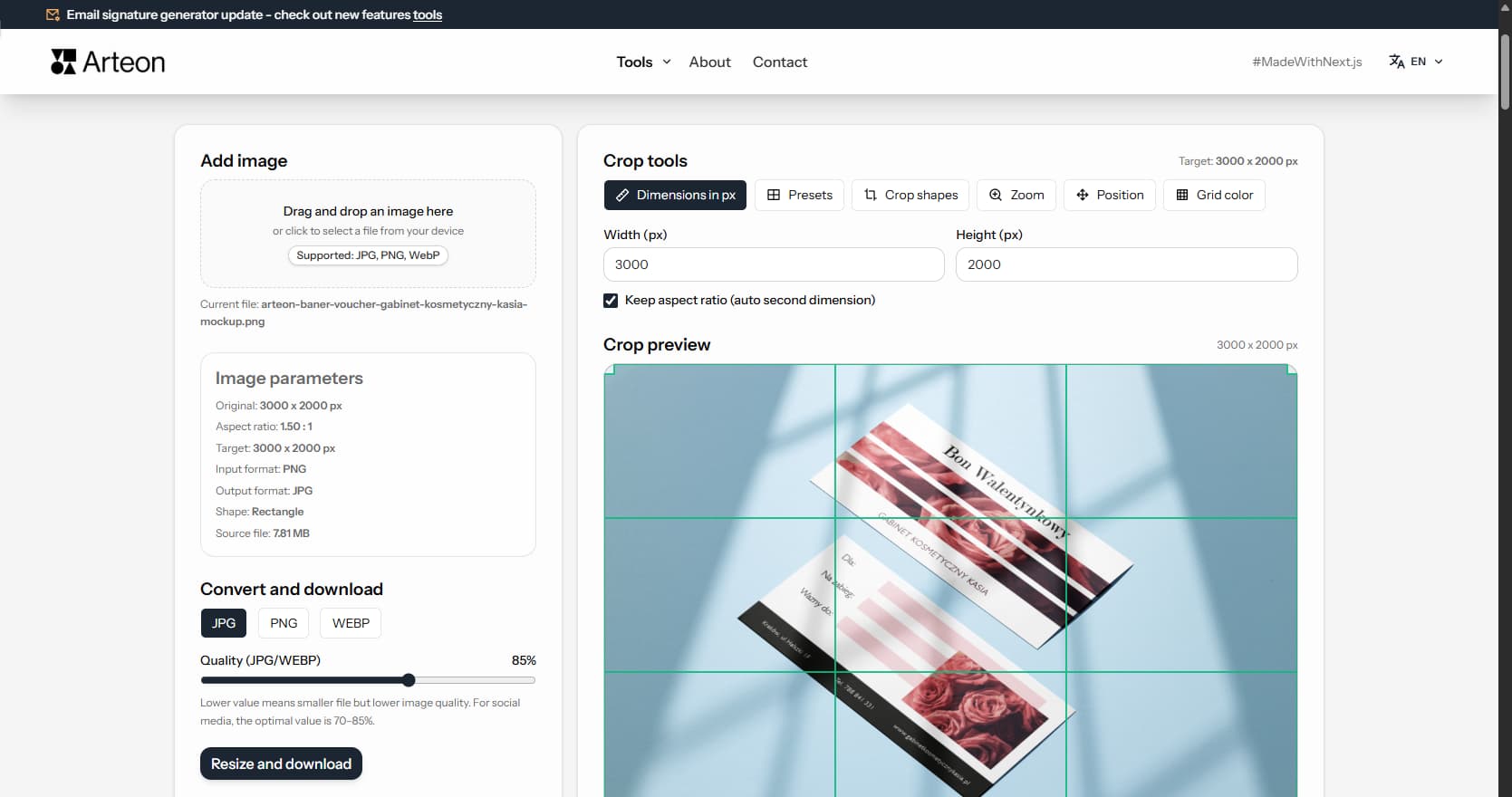
Resize, crop and convert your image. Ready-made formats for social media, circular avatars, export to JPG/PNG/WebP.

Check title and description length in pixels. Live Google preview and optimization tips.
Convert PNG files to JPG in your browser. No file limits, no signup, no server uploads.
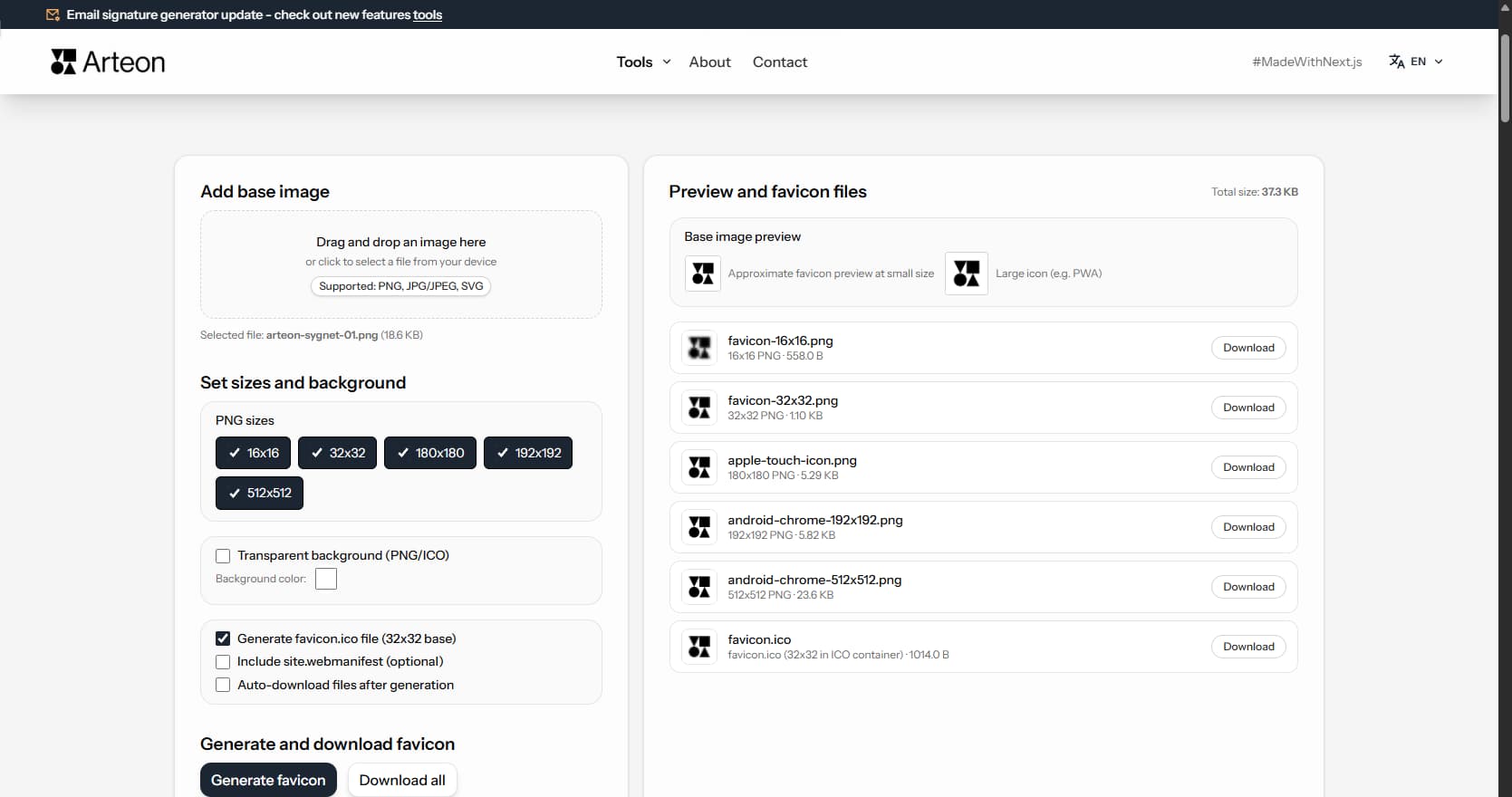
Create a complete favicon.ico set for your website from one image. All required sizes, no login.
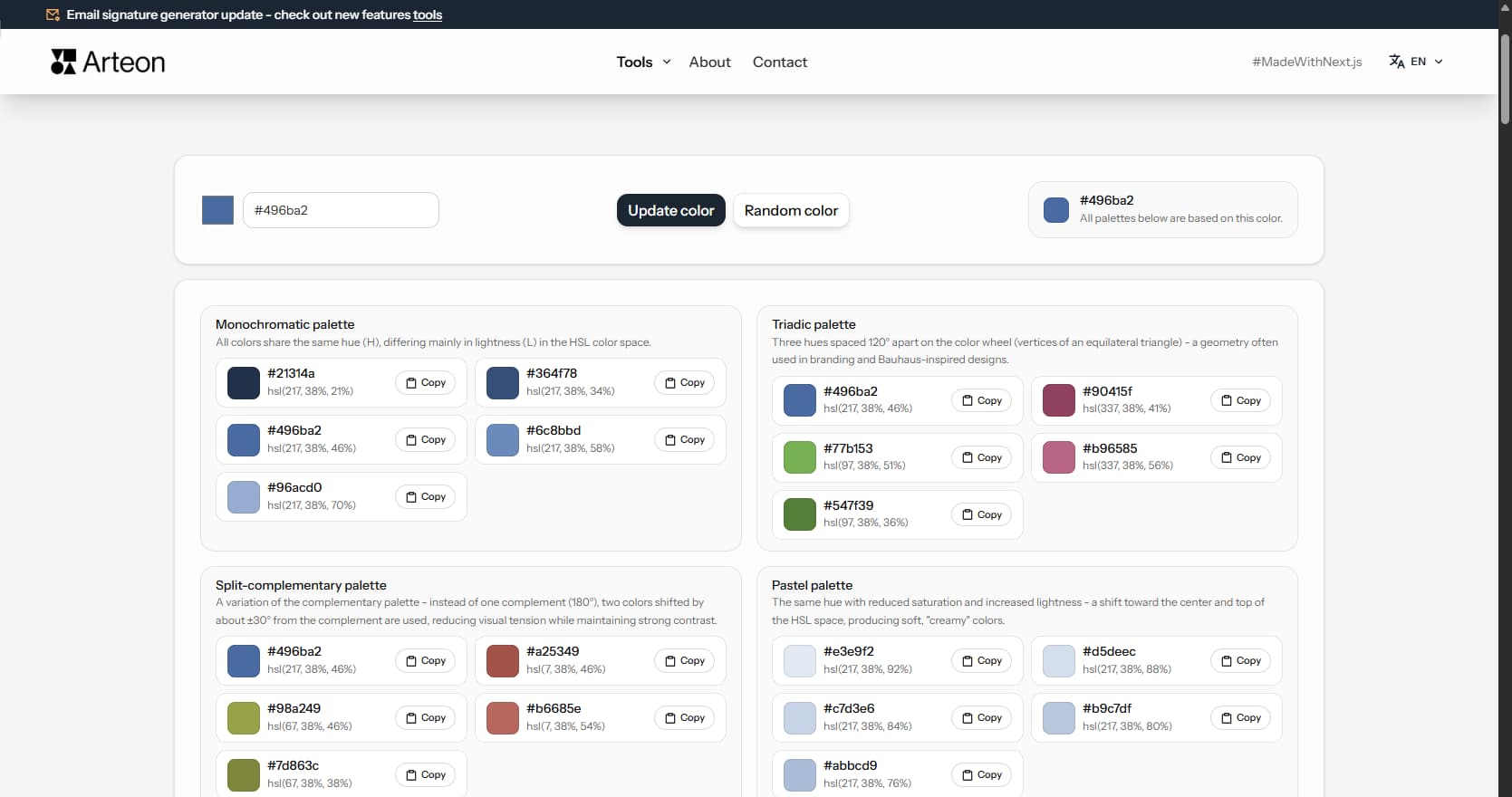
Generate 9 palettes from one color: monochromatic, complementary, triadic and more. HEX codes.
Convert WebP files to universally compatible JPG. Works in every app and platform.
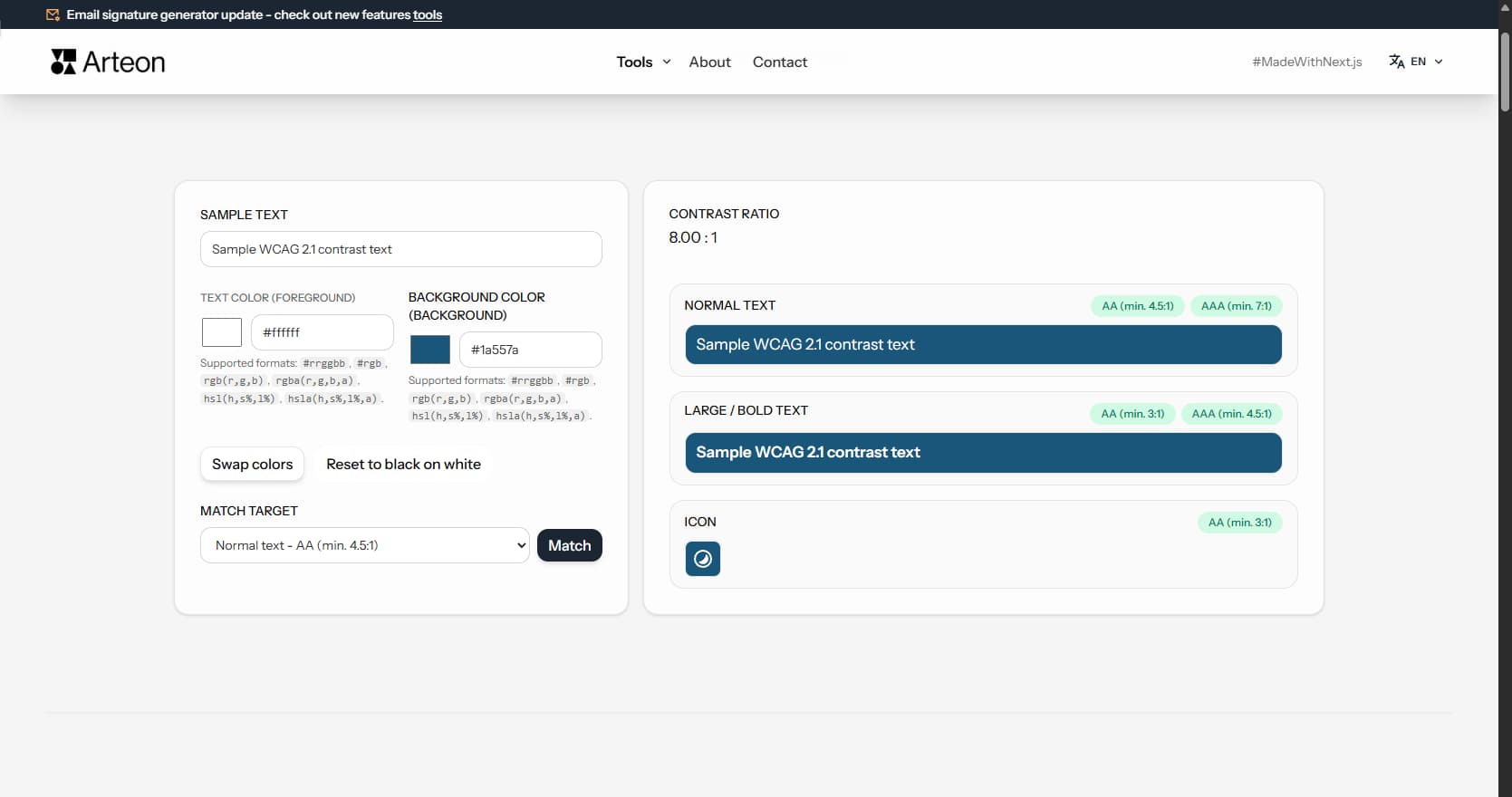
Check text and background contrast per WCAG 2.1 AA and AAA. Automatic color correction.
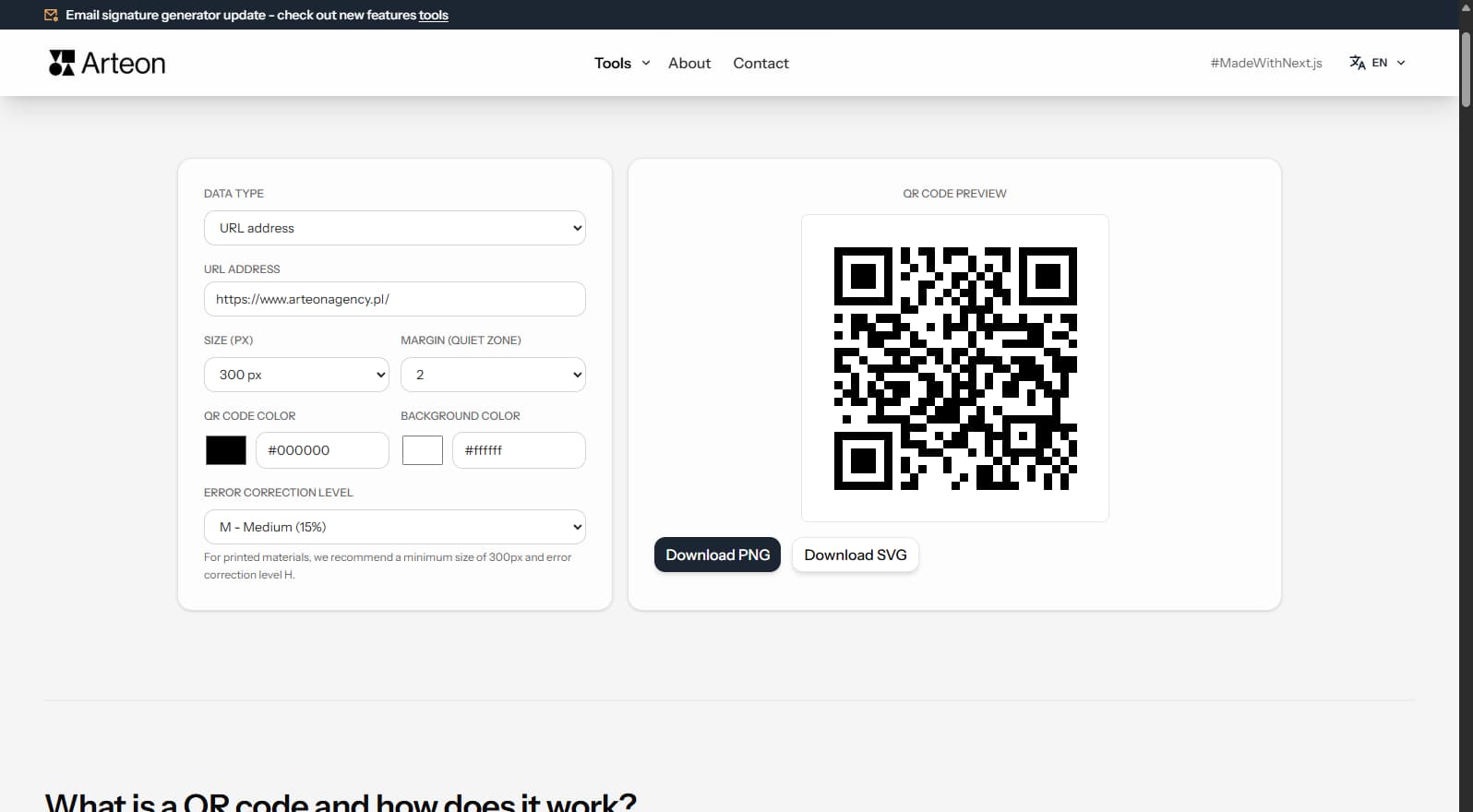
Create a QR code for a website, vCard business card or print. Export PNG and SVG, no registration.
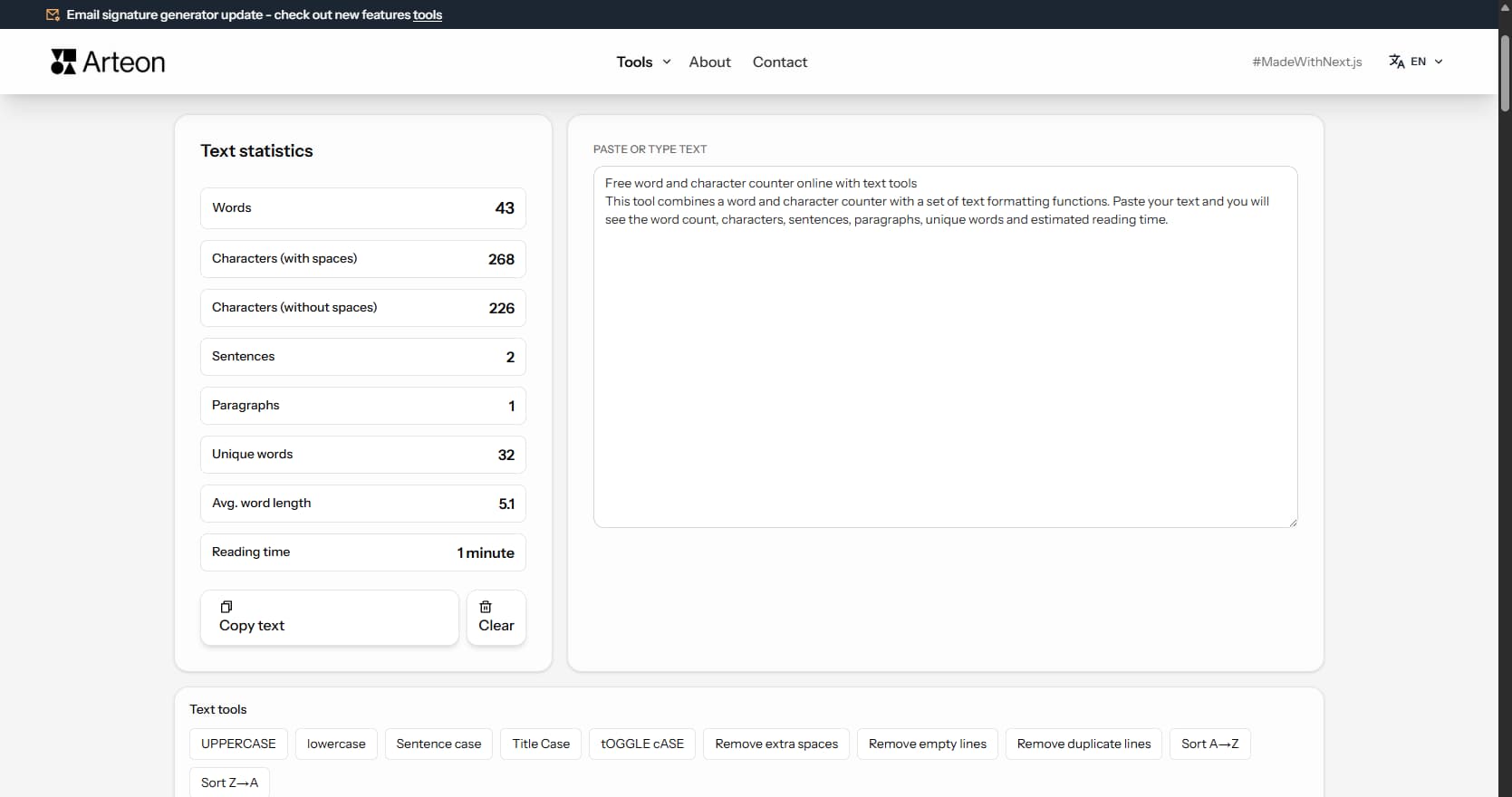
Count words, characters, sentences and reading time. Check readability with the Flesch-Kincaid score.